Trung Island – Con Dao National Park’s Sanctuary For Seabirds
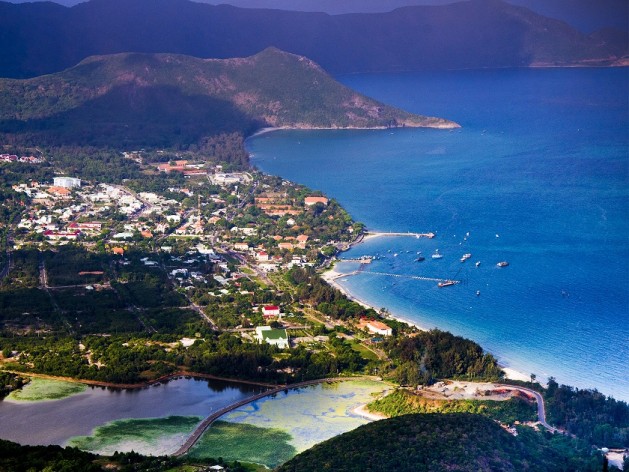
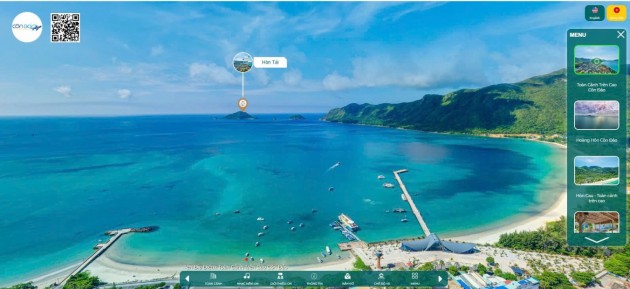
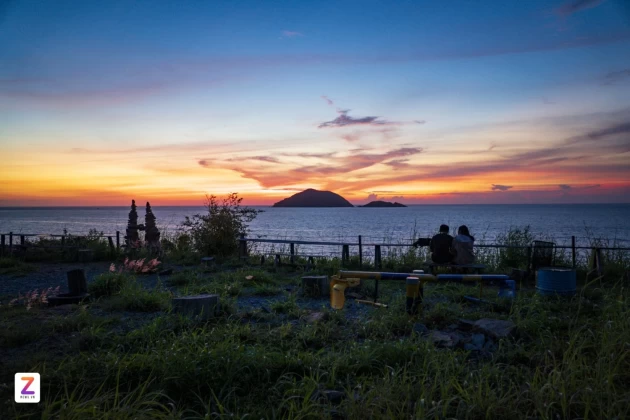
Trung island lies to the northeast of Con Dao National Park, about 20 km from the mainland, and is considered the farthest island in the archipelago. Thanks to its ideal natural conditions and strict protection measures, Trung island has been recognized by the Vietnam Records Organization as the seabird rookery with the highest nesting density in Vietnam.
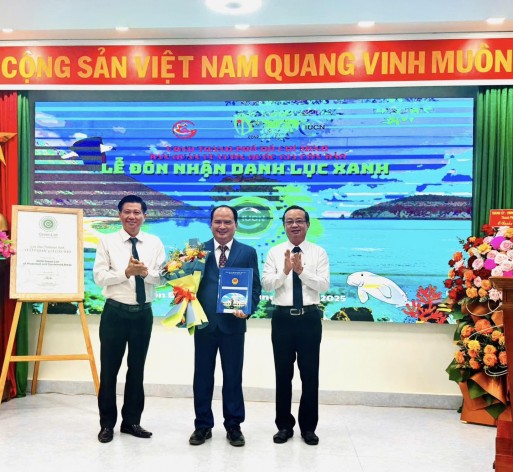
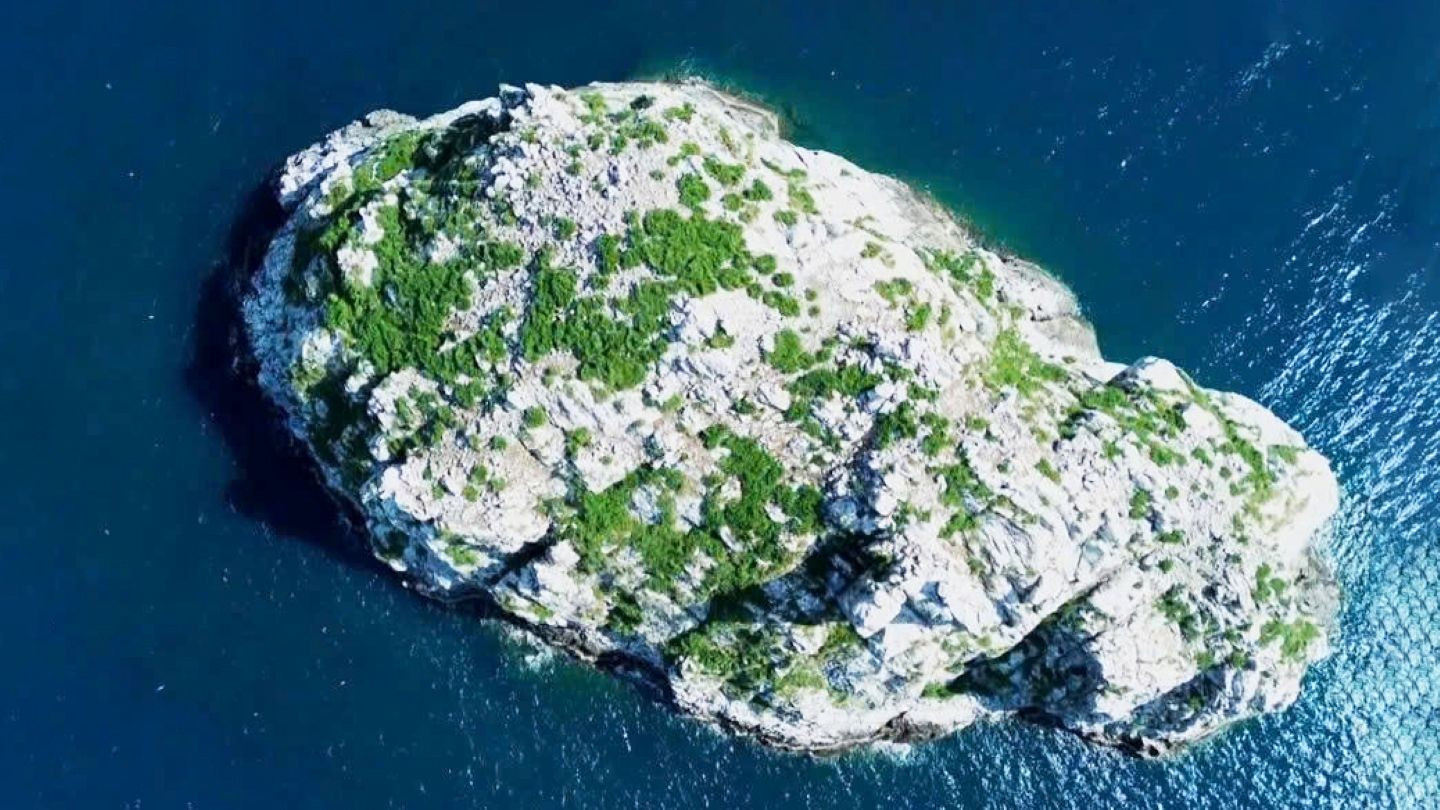 Trung island, part of Con Dao National Park, holds the national record for the island with the greatest seabird nesting density—an impressive 4.88 eggs per square meter. This record was officially confirmed on November 28, 2024, when VietKings presented the certificate to the park management board.
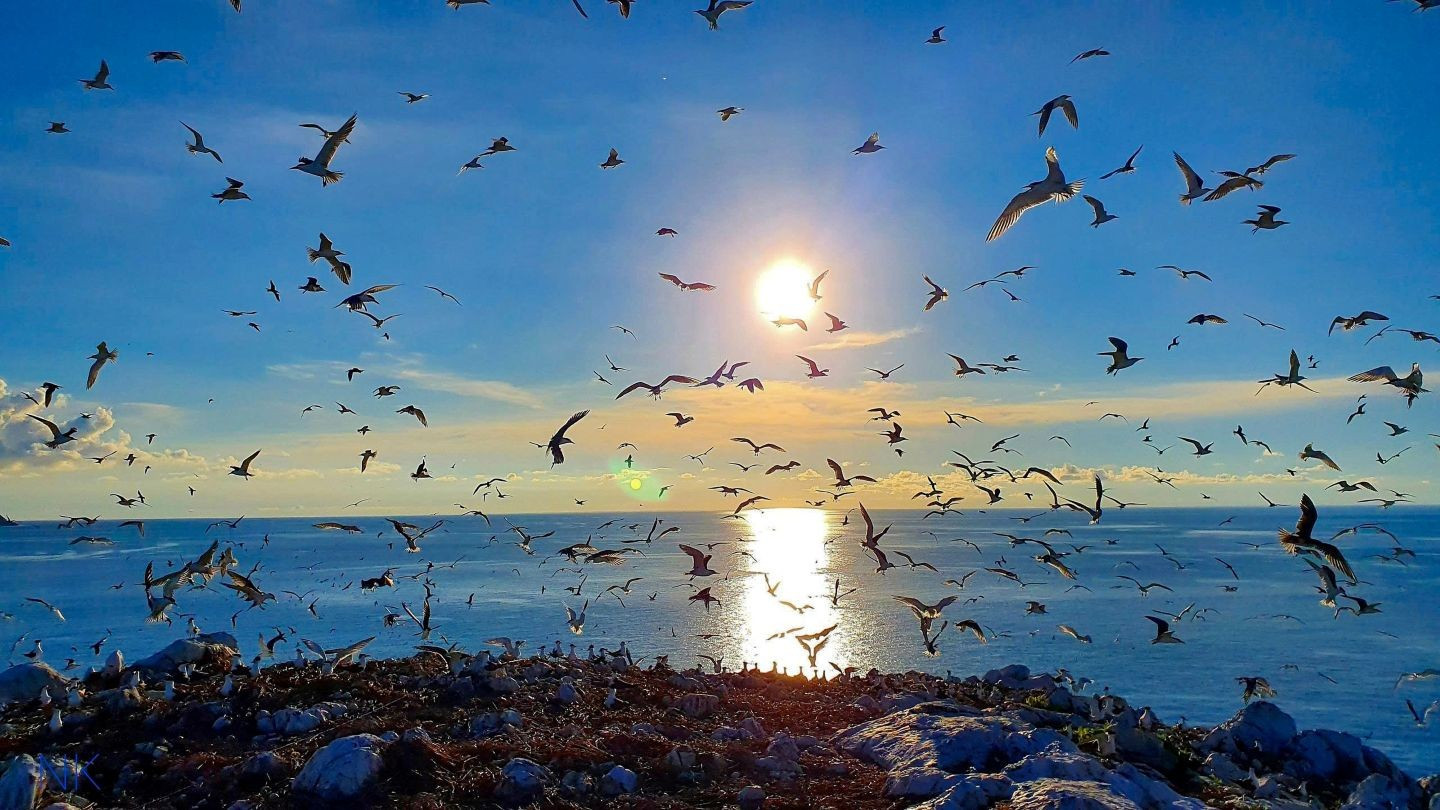 Thousands of seabirds circle above the island, their synchronized movement painting a breathtaking masterpiece of nature against the sky.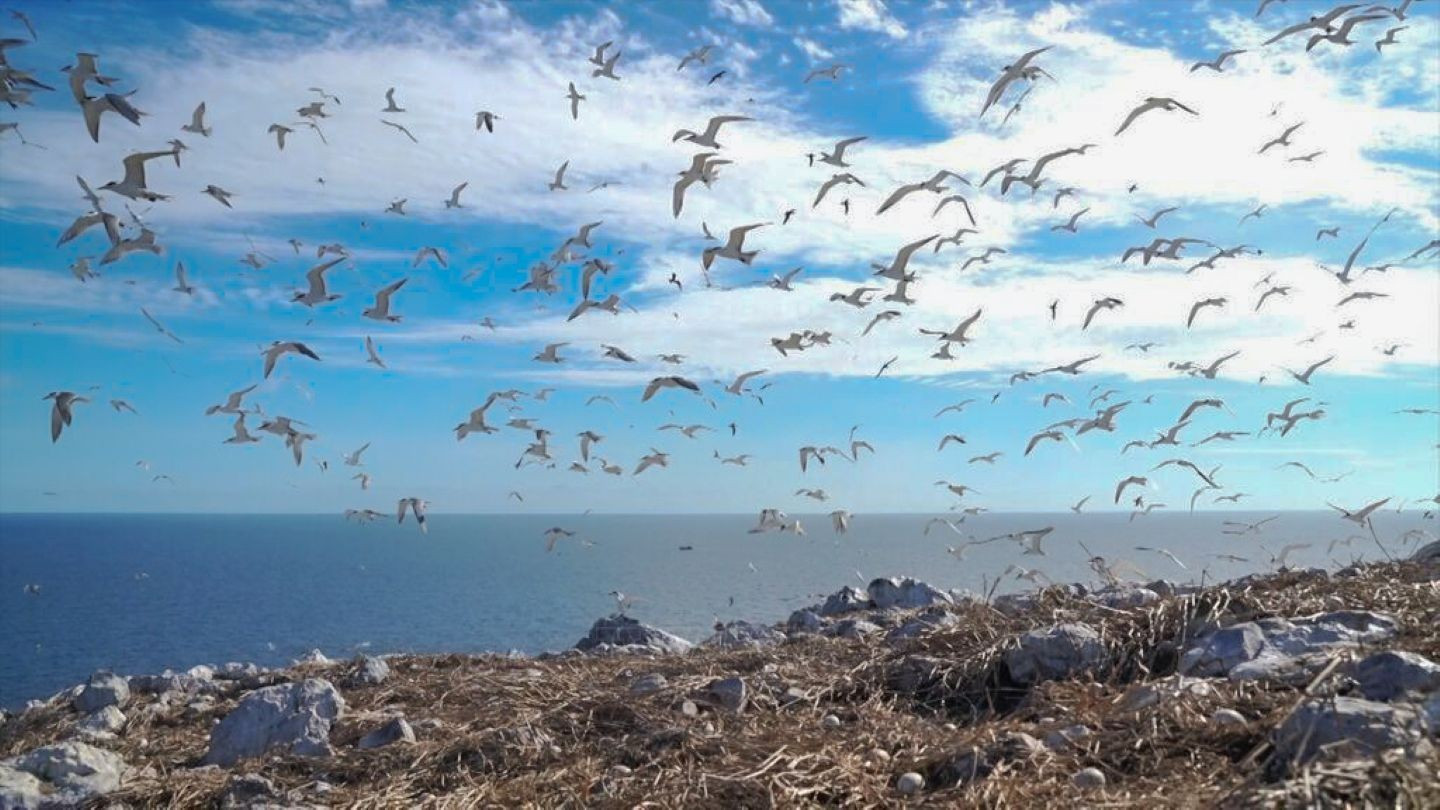
Covering nearly 2 hectares, the flat summit of Hon Trung is an ideal landing and nesting ground for seabirds. Here, seabird colonies build their nests across the island and feed in the surrounding waters.
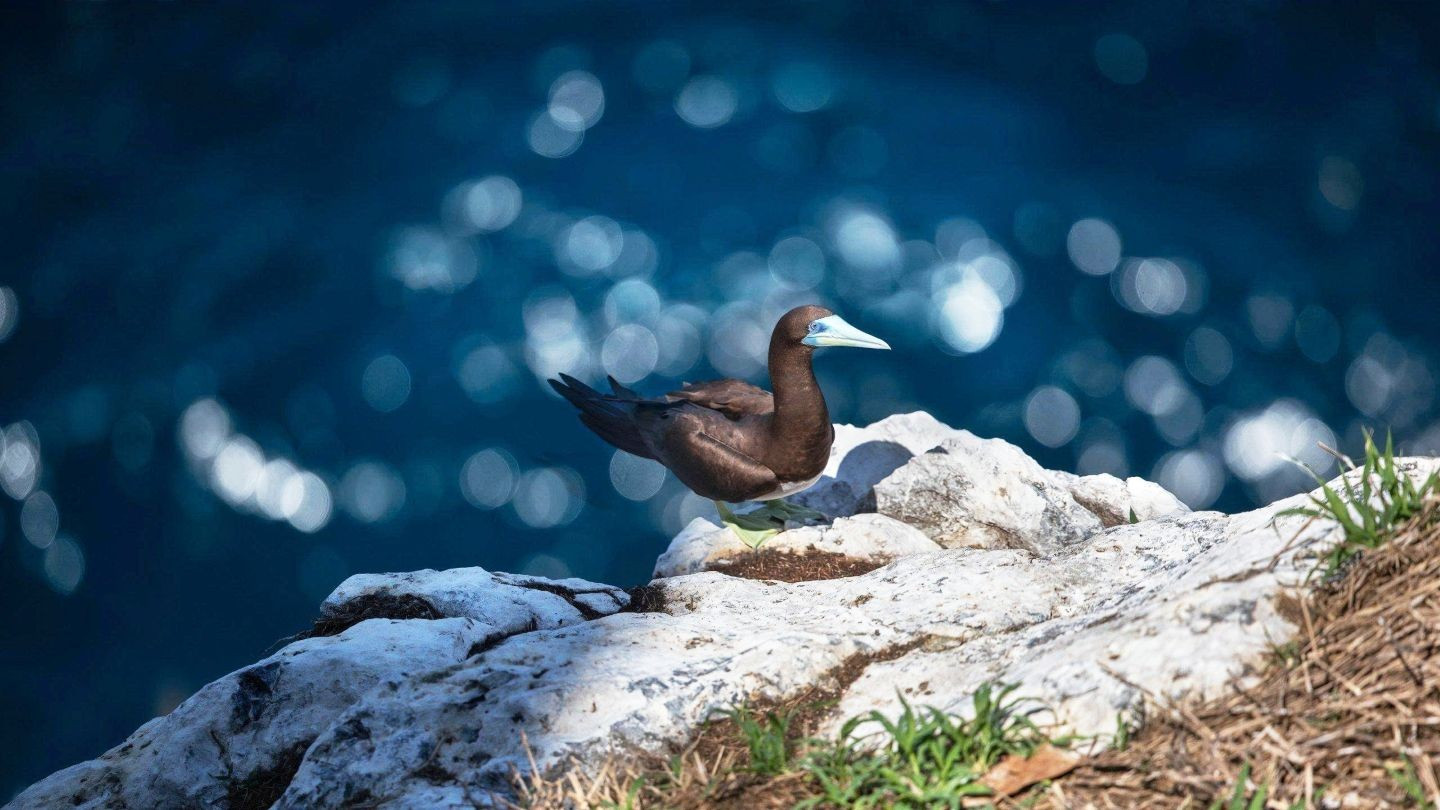
Unlike other well-known destinations, Hon Trung is a strictly protected ecological reserve and does not welcome public visitation. Both locals and tourists are prohibited from accessing the island to ensure its fragile ecosystem remains undisturbed.
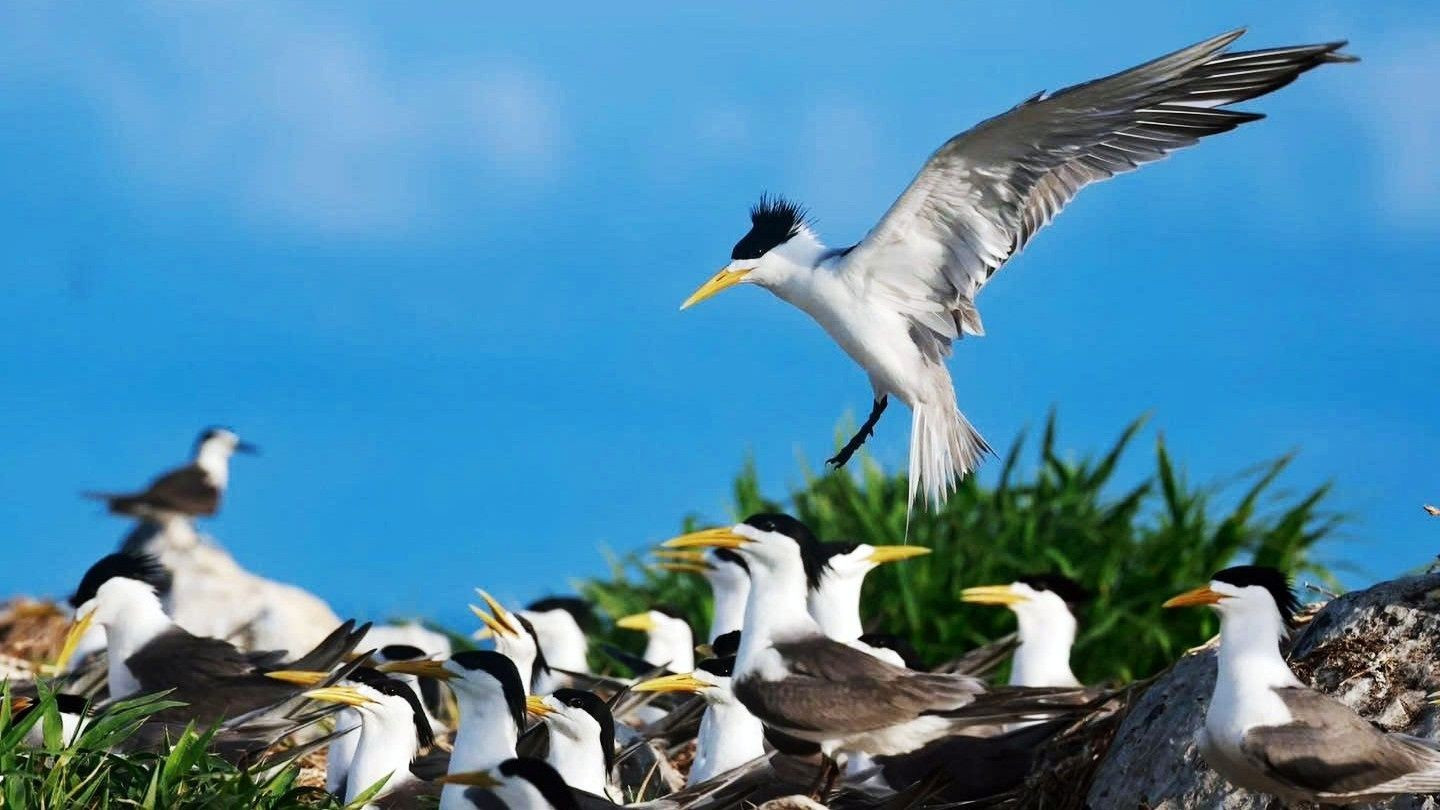
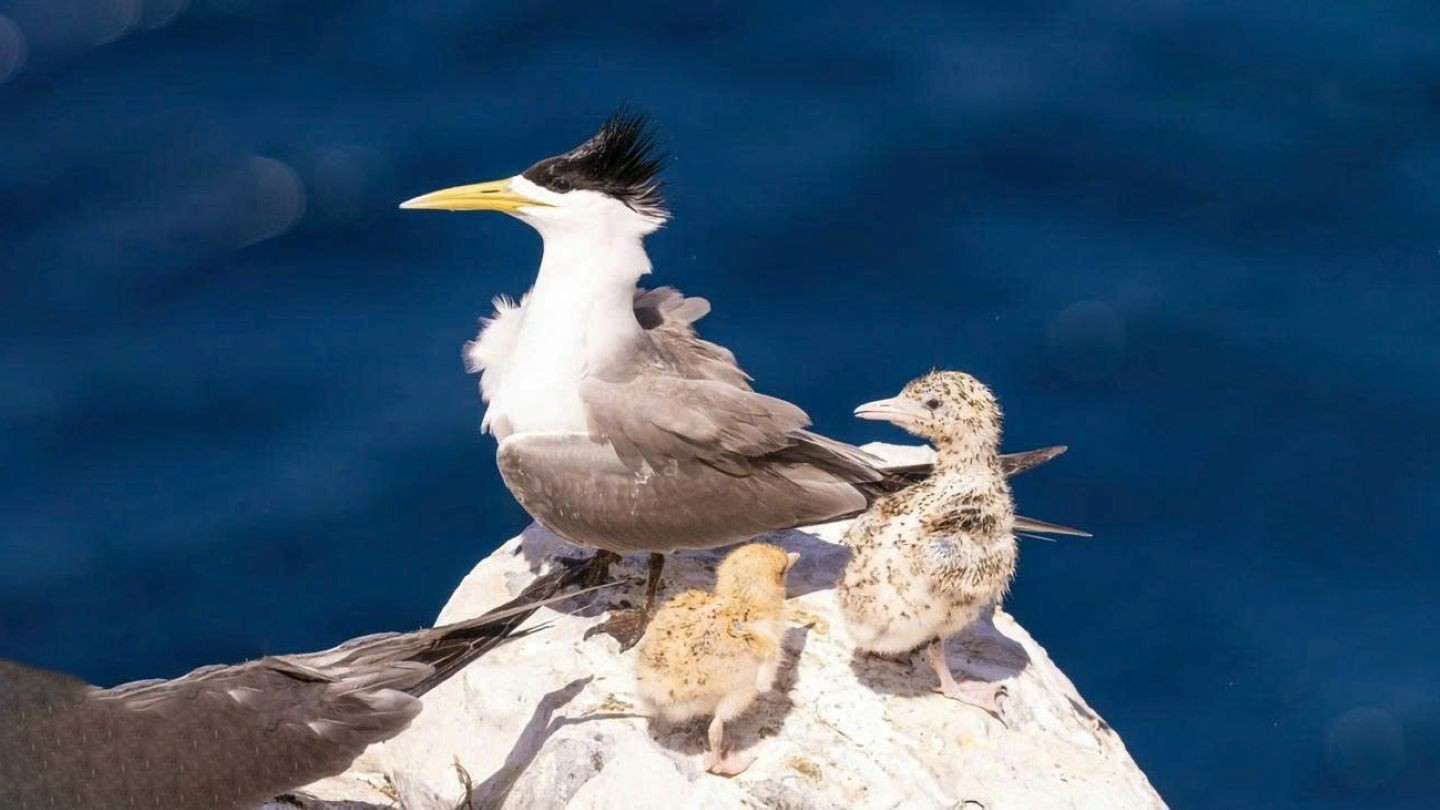
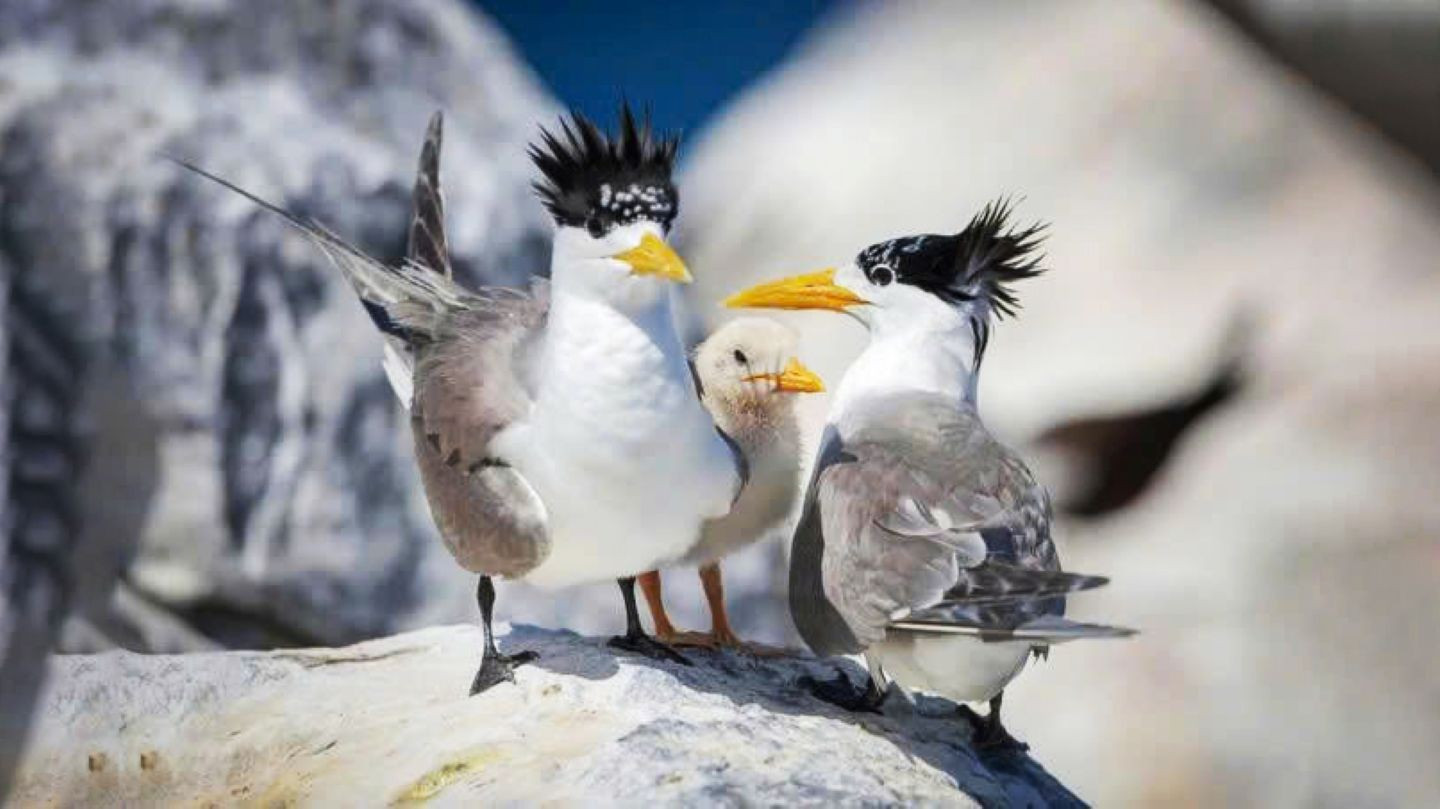
Trung island may be a “restricted zone” for travelers, but it serves as a vital cradle of life for tens of thousands of seabirds—a testament to the enduring conservation efforts of Con Dao National Park.
 Among the five migratory seabird species that nest here, one stands out for its unusual behavior: the white-bellied booby (chim dien bung trang), a species remarkably unafraid of humans.
 This seabird belongs to the Sula genus. Its Vietnamese name “chim dien” (literally “crazy bird”) comes from the French word fou, coined by early French explorers who encountered the species.
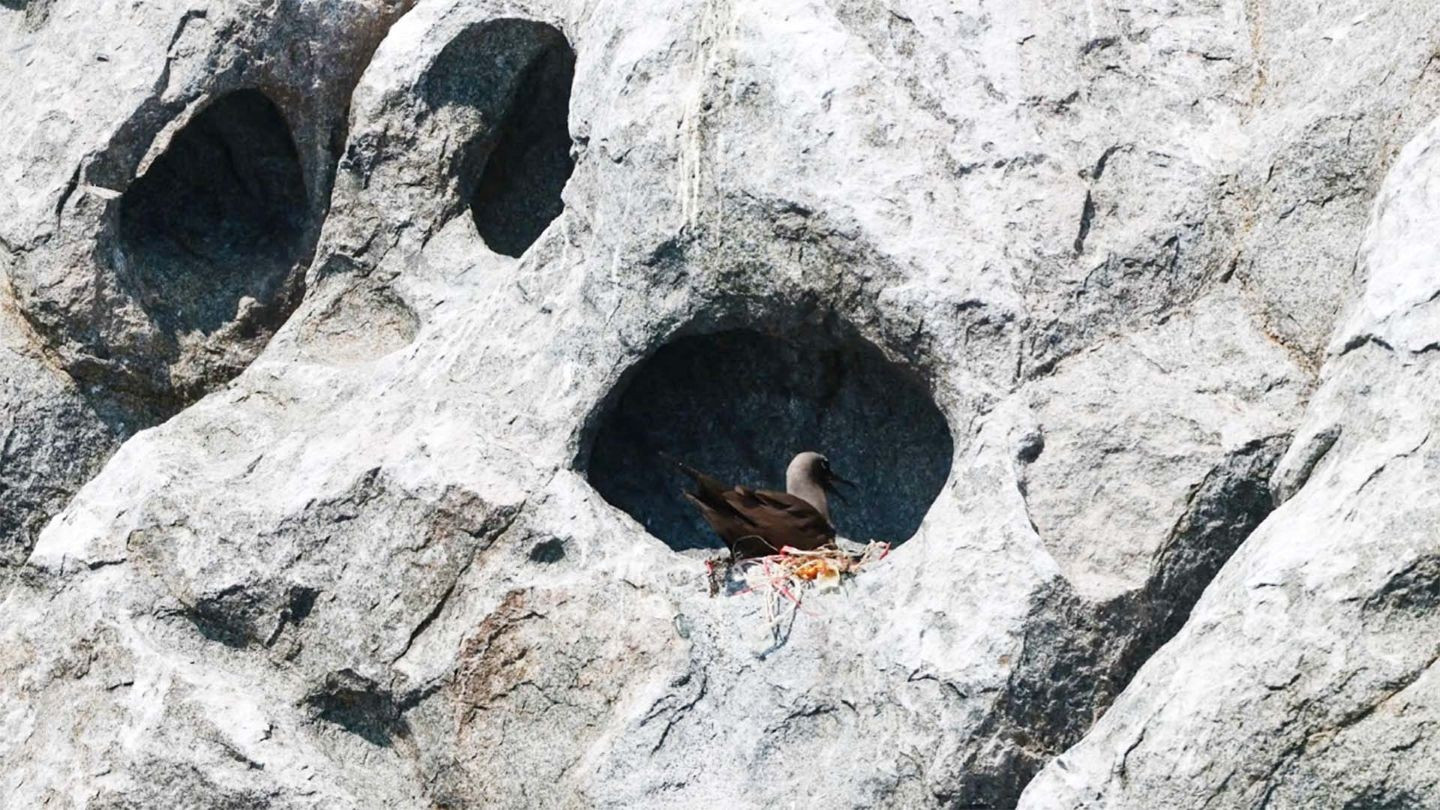 Across the island, these birds nest in rocky crevices scattered everywhere, their behavior unaltered by fear—thanks to the complete absence of human presence.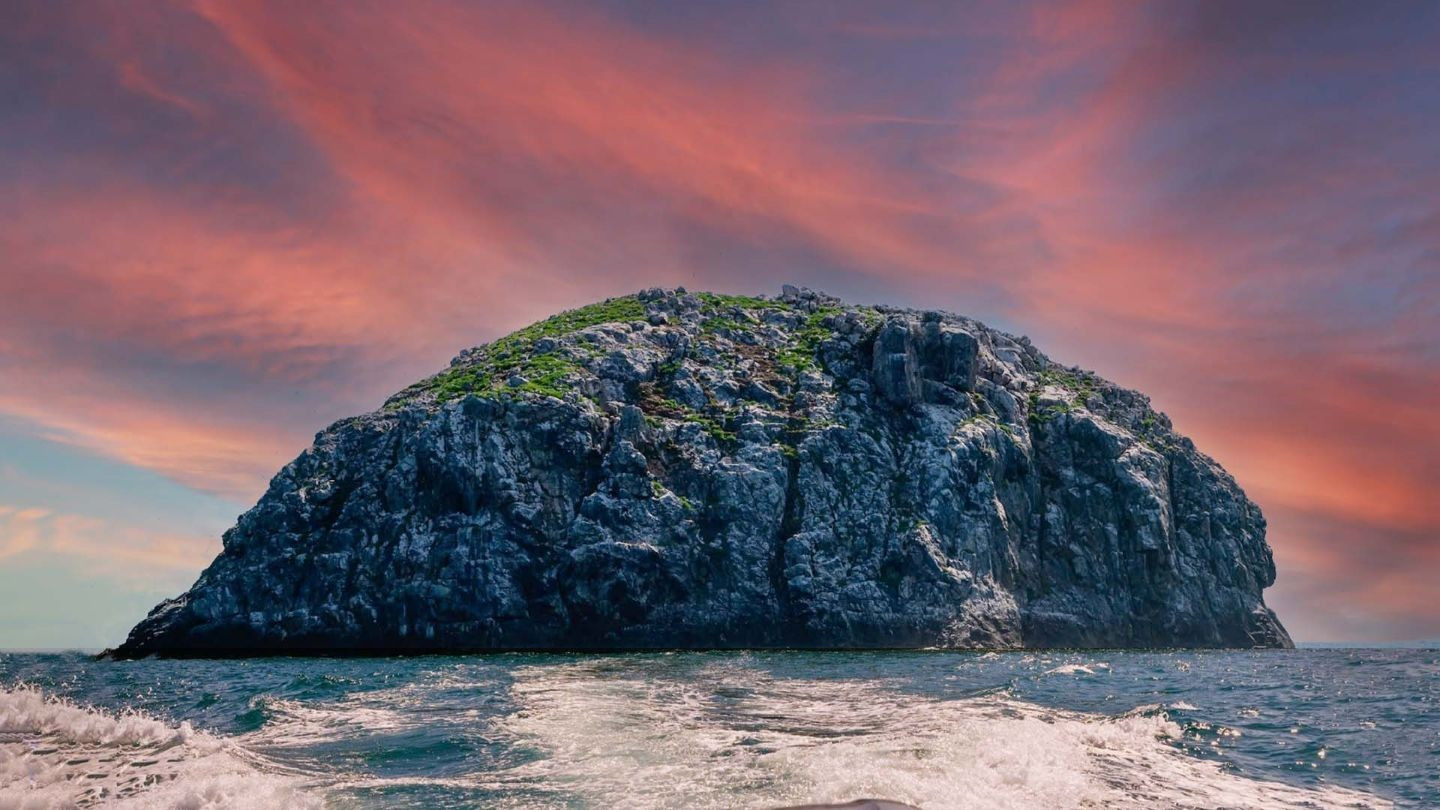
Seen from afar, the island resembles a giant egg, which is why generations of locals have lovingly called it Hon Trung. With nothing but rocks and birds—no tall trees, no human footprint—the island’s austere simplicity is precisely what makes it so extraordinary.
Author: HHN
Newer articles
Older articles